Charlington Font for Web Design
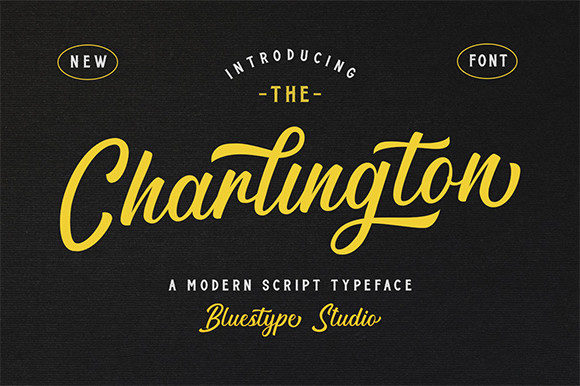
Charlington is a script handwritten font that brings a whimsical and expressive tone to web design. Its playful characters, which seem to dance along the baseline, make it an ideal choice for designers looking to add personality to their digital projects. As a premium font, Charlington offers PUA encoding, allowing easy access to all glyphs and swashes without the need for complex keyboard shortcuts.
Charlington for Creative Portfolio Websites and Branding
Charlington is perfect for creative portfolio websites where visual storytelling and brand identity are key. Its charming, handwritten style adds a personal touch that resonates with audiences looking for authenticity. Whether used in a designer’s name, project titles, or section headers, Charlington enhances the overall aesthetic of a site while maintaining readability across different screen sizes.
- Use Charlington as a logo font to create a unique brand identity
- Apply it to hero sections to draw attention and set a welcoming tone
- Pair it with a sans serif font for body copy to balance elegance and clarity
Charlington for Online Stores and E-Commerce Banners
For online stores and e-commerce banners, Charlington can elevate the visual appeal of product titles, promotional messages, and call-to-action buttons. Its fluid, flowing letters create a sense of movement that captures user attention and reinforces a brand’s personality. When used on dark backgrounds or image overlays, Charlington maintains legibility while adding a touch of sophistication.
Designers should consider using Charlington for short phrases such as “Limited Edition” or “New Arrivals” to create a sense of urgency and exclusivity. The font’s PUA encoding ensures that all stylistic variations are accessible, making it easier to customize text elements without compromising on quality.
Charlington for Coaching Websites and Course Sales Pages
Coaching websites and course sales pages often rely on strong, engaging headlines to convert visitors into leads. Charlington’s expressive style makes it an excellent choice for these types of landing pages. Its playful yet professional appearance can help establish trust and credibility while maintaining a friendly, approachable tone.
When used in conjunction with a clean, modern typeface for body text, Charlington becomes a powerful tool for creating visual contrast. This pairing helps guide users through content, reinforcing key messages and improving overall readability. For example, a coaching website might use Charlington for a headline like “Transform Your Life Today” to grab attention and encourage engagement.
Charlington for Blog Headers and Social Media Graphics
Blogs and social media graphics benefit from the dynamic energy of Charlington. Its script style works well for blog headers, especially when paired with a more structured font for subheadings and body text. This combination creates a balanced layout that keeps readers engaged while maintaining a cohesive design language.
On social media platforms, Charlington can be used to create eye-catching captions, quotes, and promotional posts. Its versatility allows it to adapt to different formats, from Instagram stories to Twitter threads. By using Charlington in these contexts, designers can reinforce brand consistency across multiple channels.
Charlington for Digital Ads and Landing Page Headlines
Digital ads and landing page headlines require a strong visual impact to capture user attention quickly. Charlington’s elegant, flowing characters are ideal for this purpose. Whether used in a banner ad or a high-converting landing page, the font adds a sense of charm and creativity that sets a brand apart from competitors.
When designing for mobile screens, it’s important to ensure that Charlington remains legible at smaller sizes. Testing the font on various devices and screen resolutions will help maintain its effectiveness. Additionally, using it sparingly—such as in key headlines or CTA buttons—can prevent visual clutter and keep the focus on the main message.
Charlington for Logo Design and Editorial Layouts
Logos and editorial layouts often require a font that balances uniqueness with professionalism. Charlington fits this need perfectly, offering a distinctive yet readable style that works well in both print and digital formats. Its PUA encoding ensures that designers have full control over glyph selection, making it easier to create custom typographic solutions.
For editorial layouts, such as magazine spreads or digital publications, Charlington can be used to highlight key sections or add a decorative element to headings. Pairing it with a serif font for body text can create a classic, refined look that appeals to a wide audience. This combination is particularly effective for blogs, newsletters, and content marketing campaigns.
Charlington for Responsive Web Design and Mobile Interfaces
In responsive web design, readability and scalability are essential. Charlington performs well on mobile interfaces, where space is limited and legibility is crucial. Its open letterforms and consistent spacing help maintain clarity even at smaller sizes, ensuring that users can easily read and interact with content.
When using Charlington in mobile-first designs, it’s important to test how the font appears on different screen sizes and resolutions. Adjusting line height, letter spacing, and font size can further enhance its performance. For example, a mobile app might use Charlington for a navigation title or a button label to add a touch of personality without sacrificing usability.
Charlington for Commercial Projects and Font Licensing
For commercial projects, including client work, online stores, and digital templates, it’s important to verify the licensing terms of Charlington. A proper commercial license ensures that the font can be used without legal issues, protecting both the designer and the end user. This is especially critical for projects that involve public-facing websites or branded assets.
When working on a brand identity project, Charlington can serve as a signature font that unifies different design elements. Its versatility allows it to be used across various touchpoints, from website headers to social media profiles. By incorporating Charlington into a comprehensive design system, brands can maintain a consistent and recognizable visual presence.